
Summer can put more miles on your car than you realize. Trips to the shore, family vacations, weekend drives, and everyday errands can all add up by the time September arrives. Even if your car seems to be running well, those extra miles, hot roads, and long drives may have caused some normal wear.
That is why European car maintenance after summer is worth thinking about before fall gets busy. A quick check of your tires, brakes, fluids, battery, and other key parts can help you catch small problems early. It can also give you a better idea of what your vehicle may need before colder weather arrives.
At Island Sport Works, we work with European vehicles every day and help drivers stay ahead of maintenance instead of waiting for something to go wrong.
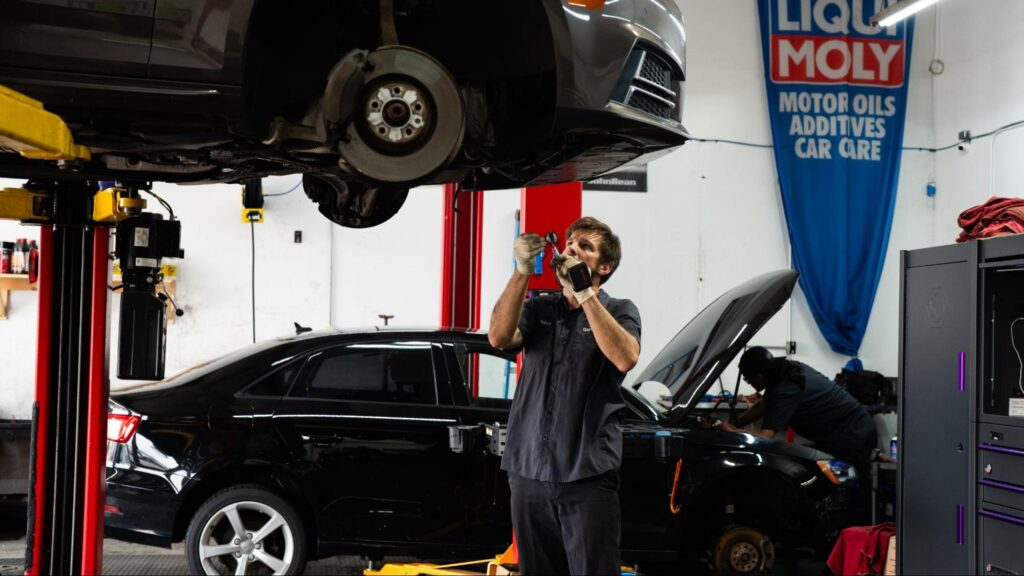
Why European Car Maintenance Matters After Summer
Summer driving can be harder on a vehicle than it may seem. Long highway trips keep the engine, cooling system, tires, and brakes working for hours at a time. Hot weather can also put extra stress on rubber parts, fluids, and the battery.
You may not notice a problem right away. A tire can start wearing unevenly without changing how the car feels. A battery may become weaker but still start normally. A small coolant leak may not become obvious until the level drops enough to cause a warning.
This is why the end of summer is a good time to look over the vehicle as a whole. You are not necessarily looking for a major repair. The goal is to find normal wear early and take care of anything that could become a problem later.
European vehicles also tend to rely on detailed maintenance schedules and advanced electronic systems. Keeping up with routine service can help your Audi, BMW, Porsche, Mercedes-Benz, Volkswagen, Jaguar, or Land Rover continue to drive the way you expect.
Check Your Tires and Wheel Alignment
Your tires are a good place to start after a summer of driving. Extra highway miles, hot pavement, potholes, and everyday wear can change the condition of the tread.
Look for uneven wear, low tread, cracks, bulges, or changes in tire pressure. If one tire looks more worn than the others, that may point to an alignment or suspension issue rather than a problem with the tire itself.
You should also pay attention to how the car feels. If it pulls to one side, the steering wheel no longer sits straight, or you notice vibration at certain speeds, your wheel alignment may need to be checked.
Proper alignment does more than make the car feel better. It helps the tires meet the road correctly and can reduce uneven wear. That is especially important on European cars that are designed around precise steering and handling.
If you put a lot of miles on your car this summer, having the tires and alignment looked at now can help you start the fall with a better idea of their condition.
Look at Brakes, Suspension, and Ride Quality
Your brakes and suspension also work hard during summer travel. Long drives, stop and go traffic, rough roads, and added cargo can all add wear over time.
Start by paying attention to how your brakes feel. Squeaking, grinding, shaking, or a soft brake pedal should not be ignored. Even if the car still stops normally, a change in sound or feel can be an early sign that something needs attention.
Your suspension can give you clues too. If the vehicle feels bouncier than usual, makes a clunking sound over bumps, or seems less steady when turning, it may be time for an inspection.
Sometimes these problems develop slowly. You may get used to a rougher ride without realizing how much the vehicle has changed. A technician can look at the brakes, shocks, struts, bushings, and other parts to see what is wearing and what is still in good condition.
We can also check these areas as part of routine European car maintenance, especially if something has started to feel different after a busy summer.
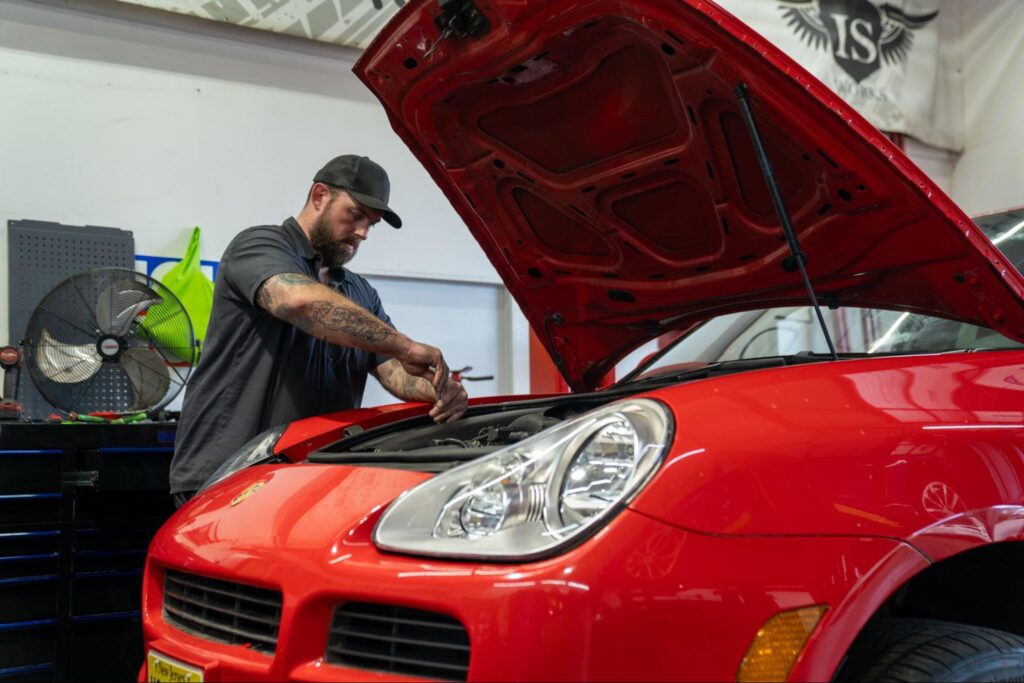
Check Fluids, Cooling System, and Battery Health
Fluids play a major role in protecting your vehicle. After months of hot-weather driving, it is smart to make sure the levels and condition are where they should be.
Engine oil is one of the first things to check. If you are close to your next oil change, taking care of it now can help you start the next season with fresh oil and an updated service record.
Coolant matters too. Your cooling system works hard during hot weather to keep the engine at the proper temperature. Low coolant, an aging hose, or a small leak may not cause trouble immediately, but it can become a larger problem if left alone.
Brake fluid and transmission fluid should also be checked according to the maintenance schedule for your vehicle. European cars can have very specific fluid requirements, so using the correct type is important.
Do not forget the battery. Summer heat can be tough on a battery even when the car continues to start normally. If the battery is older, slow to crank, or showing signs of corrosion, having it tested before colder weather arrives can save you from an unexpected no-start later.
If you are unsure which fluids or services are due, schedule an appointment and have the maintenance history reviewed. That is often easier than trying to guess based only on mileage.
Pay Attention to Warning Lights and Small Changes
A warning light is an obvious sign that your car needs attention, but not every problem starts with a light on the dashboard.
You may notice rough idling, a small vibration, slower acceleration, a new sound, or a change in fuel economy. Maybe the steering feels slightly different than it did earlier in the summer. These changes are easy to ignore when the car still gets you where you need to go.
The better approach is to pay attention to anything new. Modern European vehicles use many sensors and electronic systems, but a diagnostic code is only one part of finding the real cause of a problem.
A proper diagnosis looks at the code, the condition of the vehicle, and what you have noticed while driving. Catching the issue early may prevent extra wear or help you avoid replacing parts that are not actually causing the problem.
If your vehicle developed a warning light or started feeling different during the summer, this is a good time to have it checked rather than waiting for the problem to become more noticeable.
Make a Simple Post-Summer Maintenance Plan
You do not need to replace everything just because summer is over. A post-summer check is really about understanding the condition of your vehicle and taking care of what actually needs attention.
Start with the basics. Check the tires, brakes, fluids, battery, and alignment. Think about whether you noticed any new sounds, vibrations, warning lights, or handling changes over the past few months.
It is also worth looking at your service records. If an oil change, brake fluid service, inspection, or other scheduled maintenance is coming up soon, taking care of it now may save you another trip to the shop later.
This is especially useful if you plan to keep your European vehicle for many years. Regular maintenance gives you a clearer service history and makes it easier to spot changes from one visit to the next.
At Island Sport Works, the goal is to help you understand what your vehicle needs now, what may be coming up later, and what does not need to be replaced yet.
Frequently Asked Questions About Post-Summer European Car Maintenance
What should I check on my European car after summer?
Start with the tires, brakes, fluids, battery, cooling system, alignment, and any warning lights. You should also think about any new sounds, vibrations, or changes you noticed while driving.
Do I need an inspection if my car seems fine?
Not every vehicle needs a major inspection after summer. However, if you drove more than usual, took long trips, hit rough roads, or are close to scheduled maintenance, a basic check can help you catch wear early.
Can summer driving affect my tire alignment?
Yes. Potholes, curbs, rough pavement, and normal road impacts can affect wheel alignment. Pulling, uneven tire wear, vibration, or a crooked steering wheel are common reasons to have the alignment checked.
Should I have my battery tested after summer?
It can be a good idea, especially if the battery is older or the car has been slow to start. Heat can put stress on the battery, and a battery that seems fine in warm weather may become more noticeable once temperatures drop.
What fluids should be checked before fall?
Engine oil, coolant, brake fluid, transmission fluid, power steering fluid when applicable, and windshield washer fluid are worth reviewing. Always follow the specifications and service schedule for your specific vehicle.
Get Your European Car Ready for the Next Season
A busy summer does not always leave behind an obvious problem. Sometimes the first signs are uneven tires, a small vibration, a weak battery, or maintenance that is simply coming due. Taking a little time now to check the basics can help you head into fall knowing where your vehicle stands.
If your Audi, BMW, Porsche, Mercedes-Benz, Volkswagen, Jaguar, or Land Rover needs maintenance after a summer of driving, schedule an appointment with Island Sport Works. Our team provides European car maintenance and repair in Point Pleasant, NJ, and serves drivers throughout the Jersey Shore. Contact us today to have your vehicle checked and take care of any service it needs before the next season begins.